Modernizing a dated video messaging platform
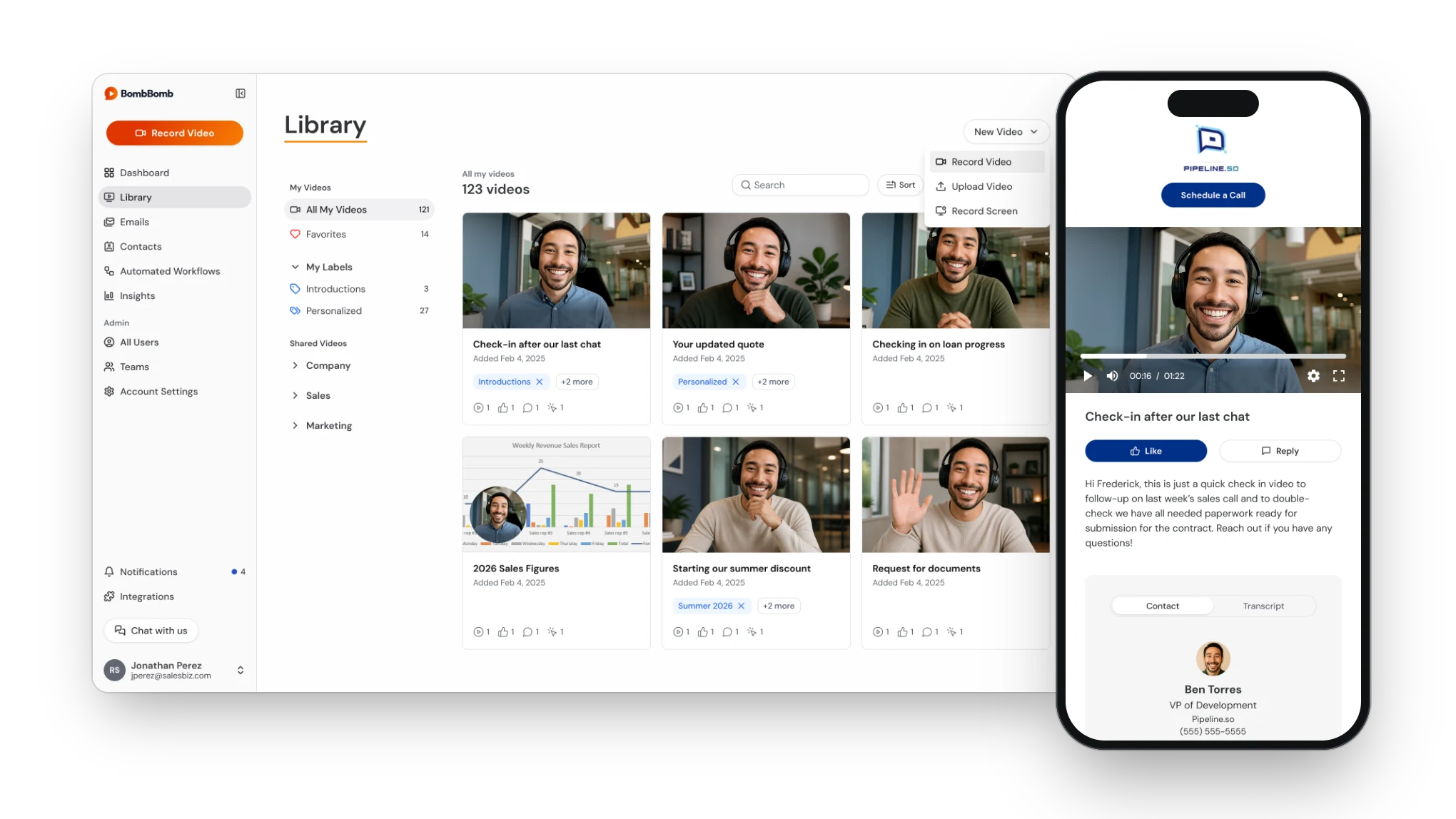
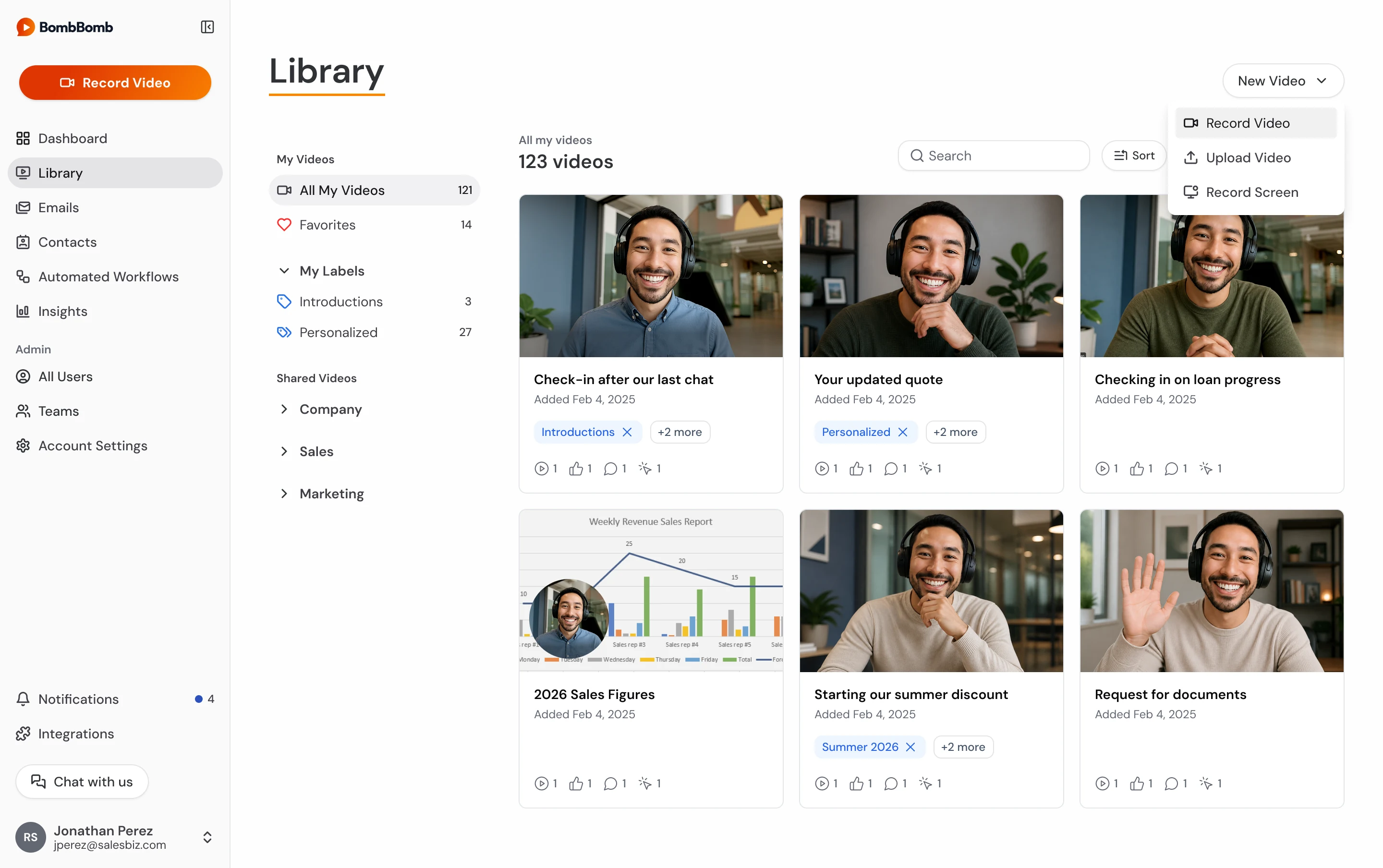
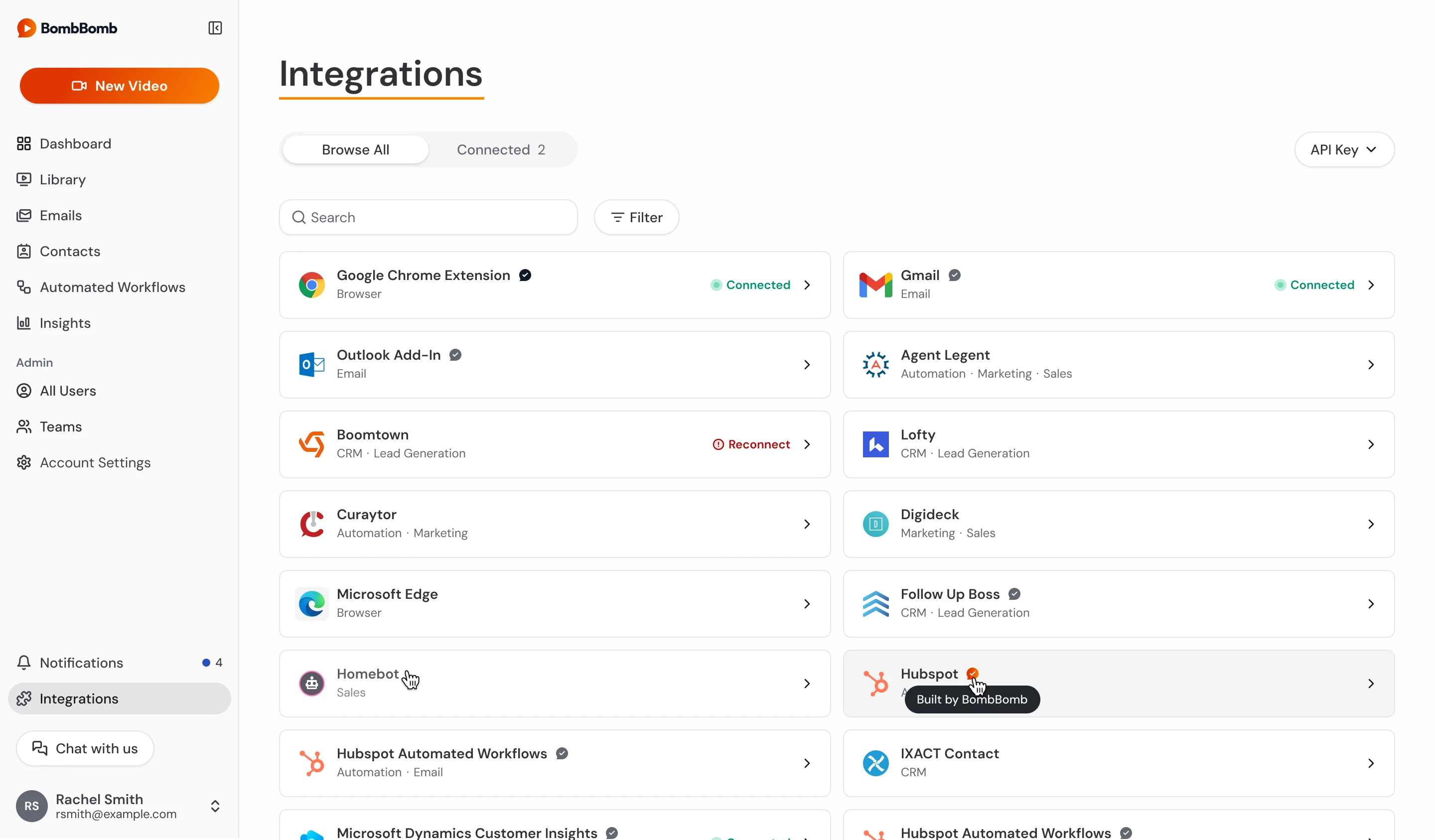
Founded in 2006, BombBomb was an early leader in video messaging, but the experience hadn’t been updated in years. I joined a platform rebuild months before launch, triaged the highest-risk experiences, and helped shift the work from reskinning features toward deeper reimagining of workflows and new AI-enabled value.
- Role
- Product Designer
- Team
- Solo designer through launch, supporting multiple engineering teams; grew to three designers after launch
Overview
A launch under pressure, and a chance to reset how design was perceived and valued.
Background
The company was redesigning its legacy video messaging platform with no designers on staff. Engineering had built much of the new experience while racing toward a launch date.
Problem
The legacy platform had grown through years of customer-requested features, and the new platform risked simply reskinning that debt with an off-the-shelf design system.
My role
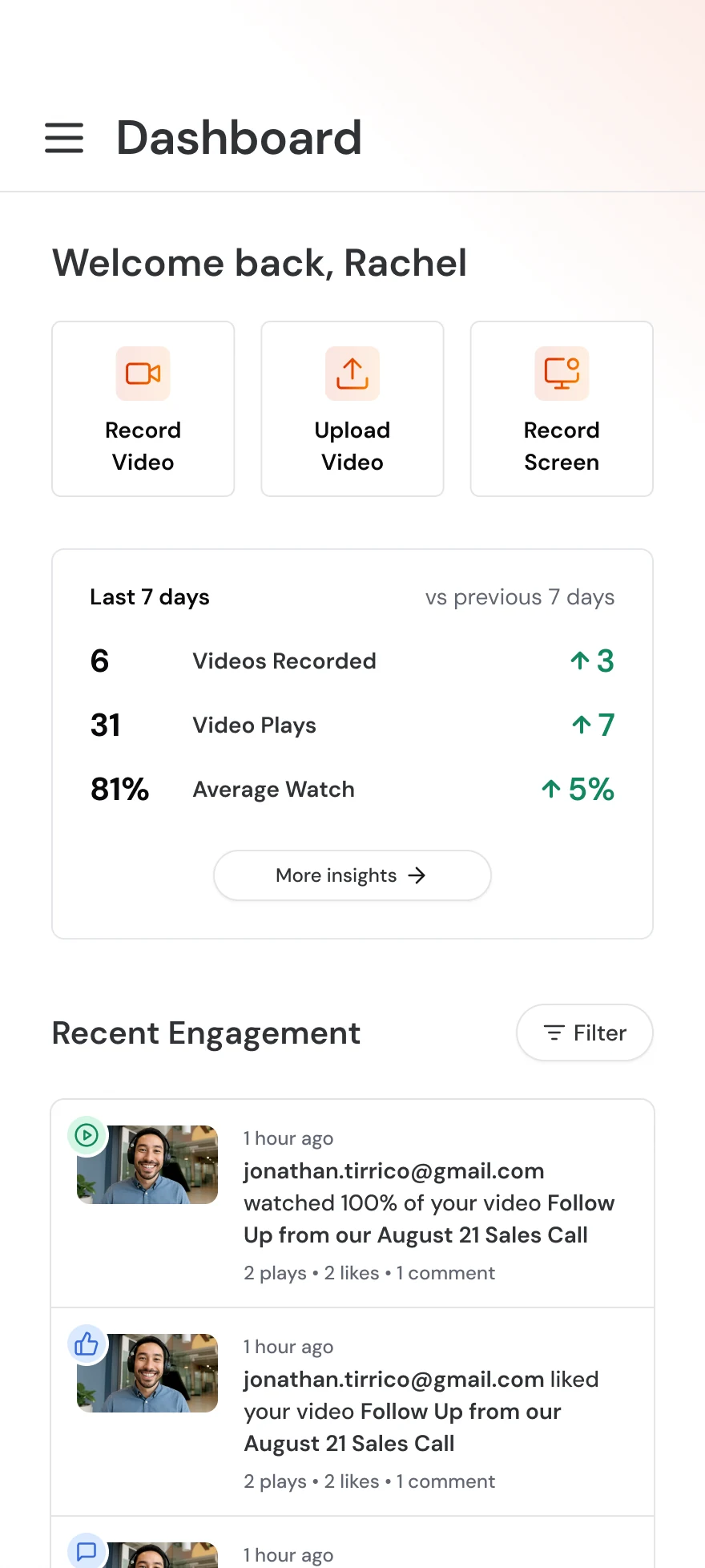
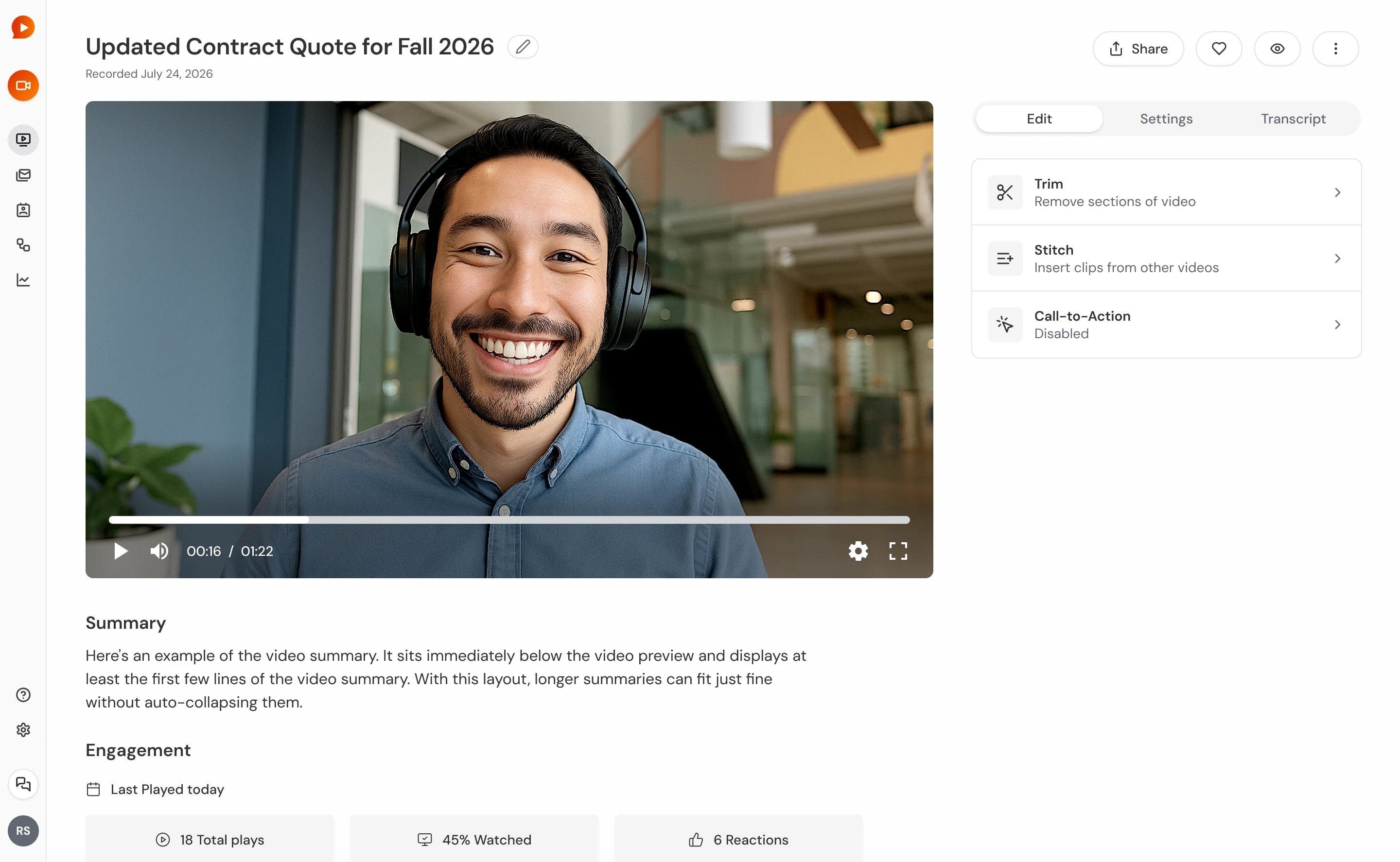
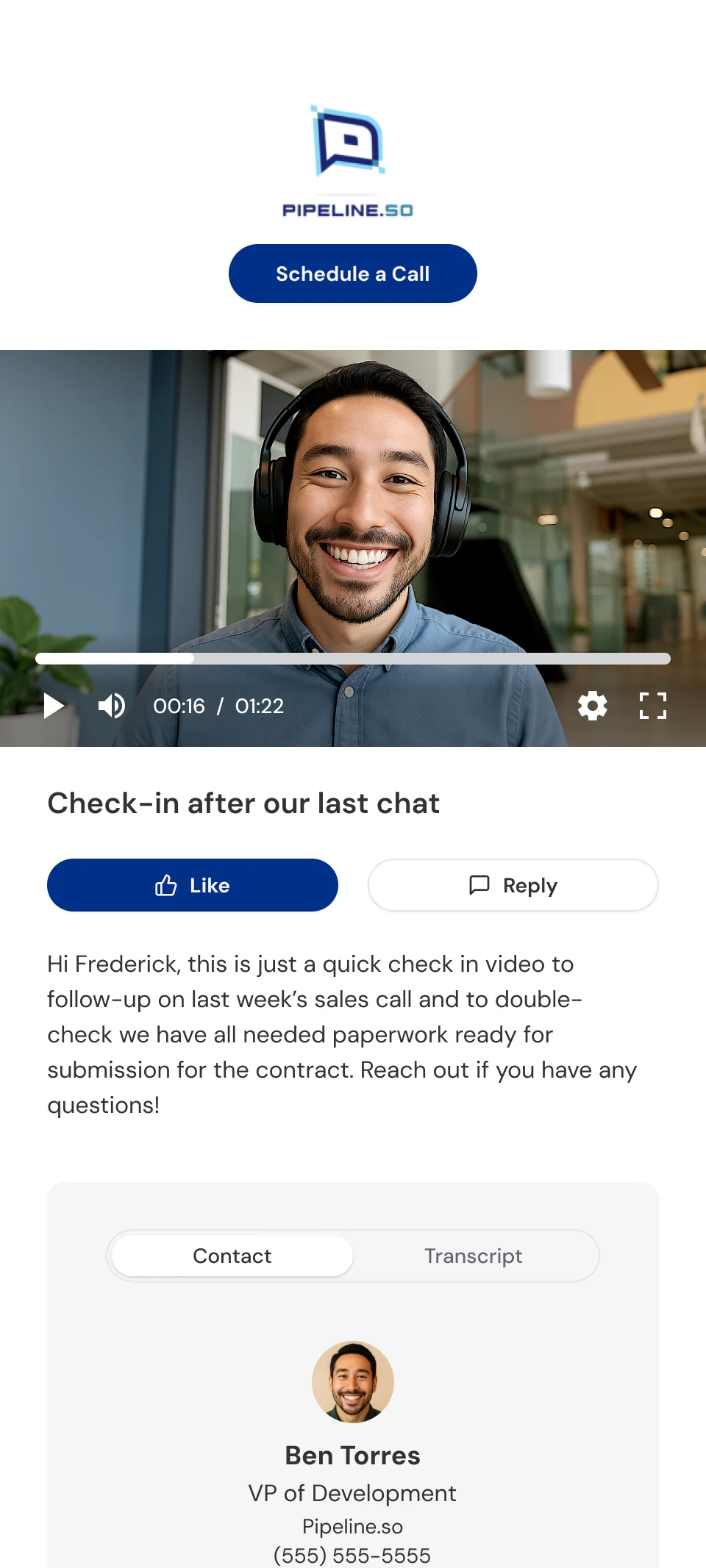
I was the only designer on the rebuild. I rapidly triaged nearly every area of the new platform to improve launch-critical experiences, then shifted to new feature design and AI-enabled workflows. I’m now working on the 3.0 experience alongside new design and product leadership.
Results
- On timePlatform launchMy rapid design triage and close engineering collaboration helped bring the new platform to market on time.
- 3.0Ongoing evolutionAfter launch, I designed new AI-enabled capabilities and worked on modernizing legacy workflows for customer migration.
- RenewedDesign valueAfter the previous design and product teams had been let go, my work demonstrated the value of design and built momentum for renewed investment in product and design leadership.
Challenge
Modernize the platform without slowing the rebuild, with one designer.
Years of feature and tech debt
The legacy platform had evolved organically, adding customer-requested features without reworking the overall information architecture. The confusing architecture and navigation couldn’t be translated directly into the new platform.
One designer, multiple engineering teams
Market conditions had led to the internal design team being let go. With a launch date on the horizon, the product manager and engineering teams were designing as they built on an off-the-shelf design system, reskinning legacy features. I was brought in to bring structure to the chaos.
Triage first
As the only designer, working limited part-time hours, my first priority wasn’t a holistic redesign. It was triage: finding the highest-risk experience problems and working closely with engineering to prepare for launch.
Evolution vs. revolution
For every redesigned feature I had to decide how much it should change, working with customer support, user research, and sales to understand its core value.
Approach
My approach adapted as the product matured, from scrappy UX triage to product envisioning and evolution.
Stabilize
Triage the most critical experiences to keep the platform launch on time. I reviewed major product areas, resolved the most urgent experience issues, and partnered directly with multiple engineering teams ahead of launch.
Refine
Rework and refine high-value legacy workflows that customers need. I used customer feedback and support-team expertise to rethink workflows instead of simply reproducing them.
Reimagine
Explore, prototype, and release evolved experiences. I built functional concepts to explore AI-enabled interactions, pacing, movement, and product value, which helped define requirements and scope for ambiguous features.
Key moments
A few design examples from the 12+ feature areas I’ve worked on.
Knowledge Base rapid redesign
Even though the new platform was being released, the legacy platform would live on until customers could be migrated over.
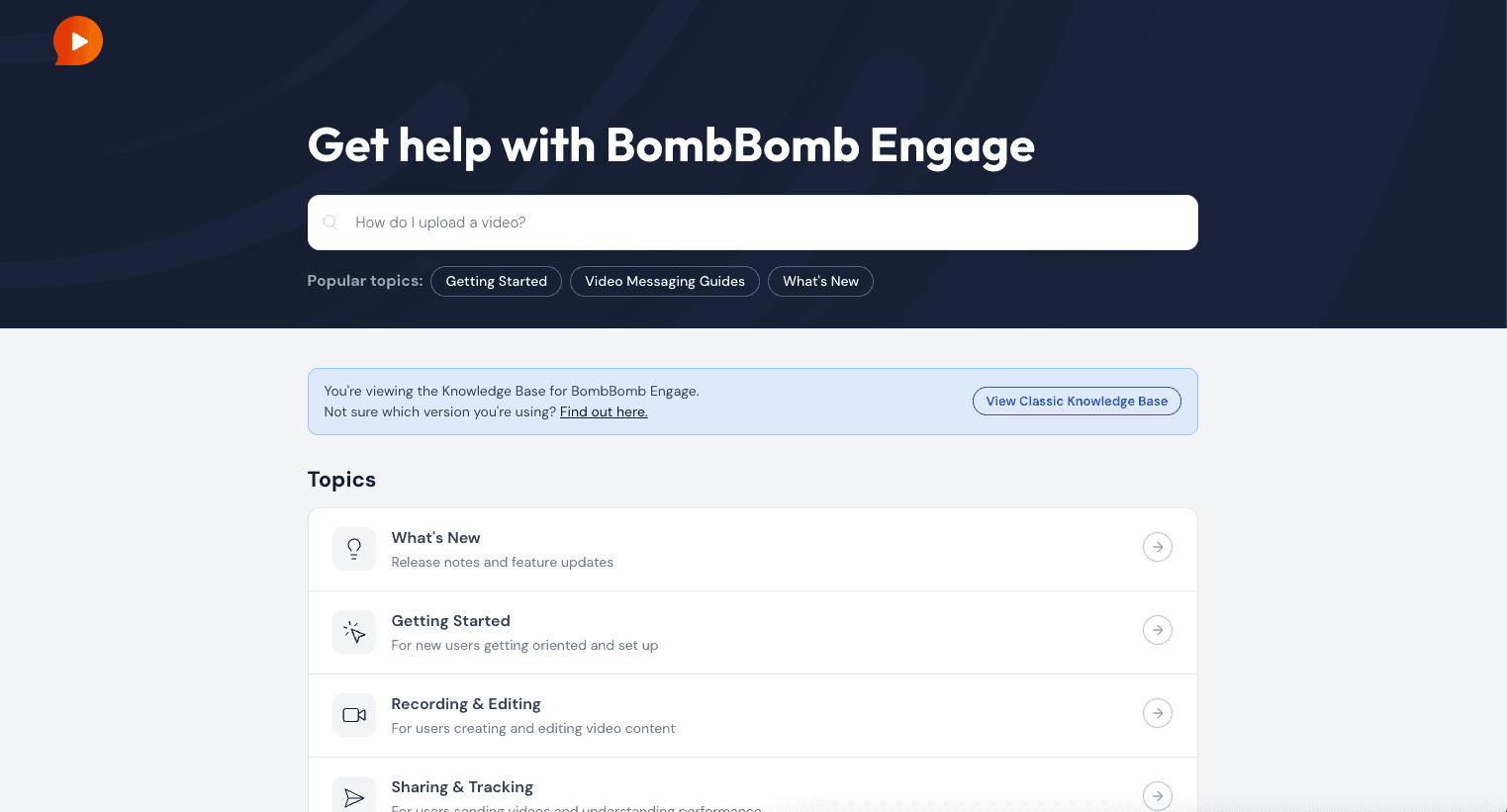
At launch, the team had duplicated the old Knowledge Base help center for the new platform and adjusted the color palette. Customers could easily be confused by two similar help sites showing up in Google searches.
I spent three days overhauling the Knowledge Base for the new platform, creating a modern, easy-to-use help site the team could keep extending as the platform grew.
Evolving a legacy feature
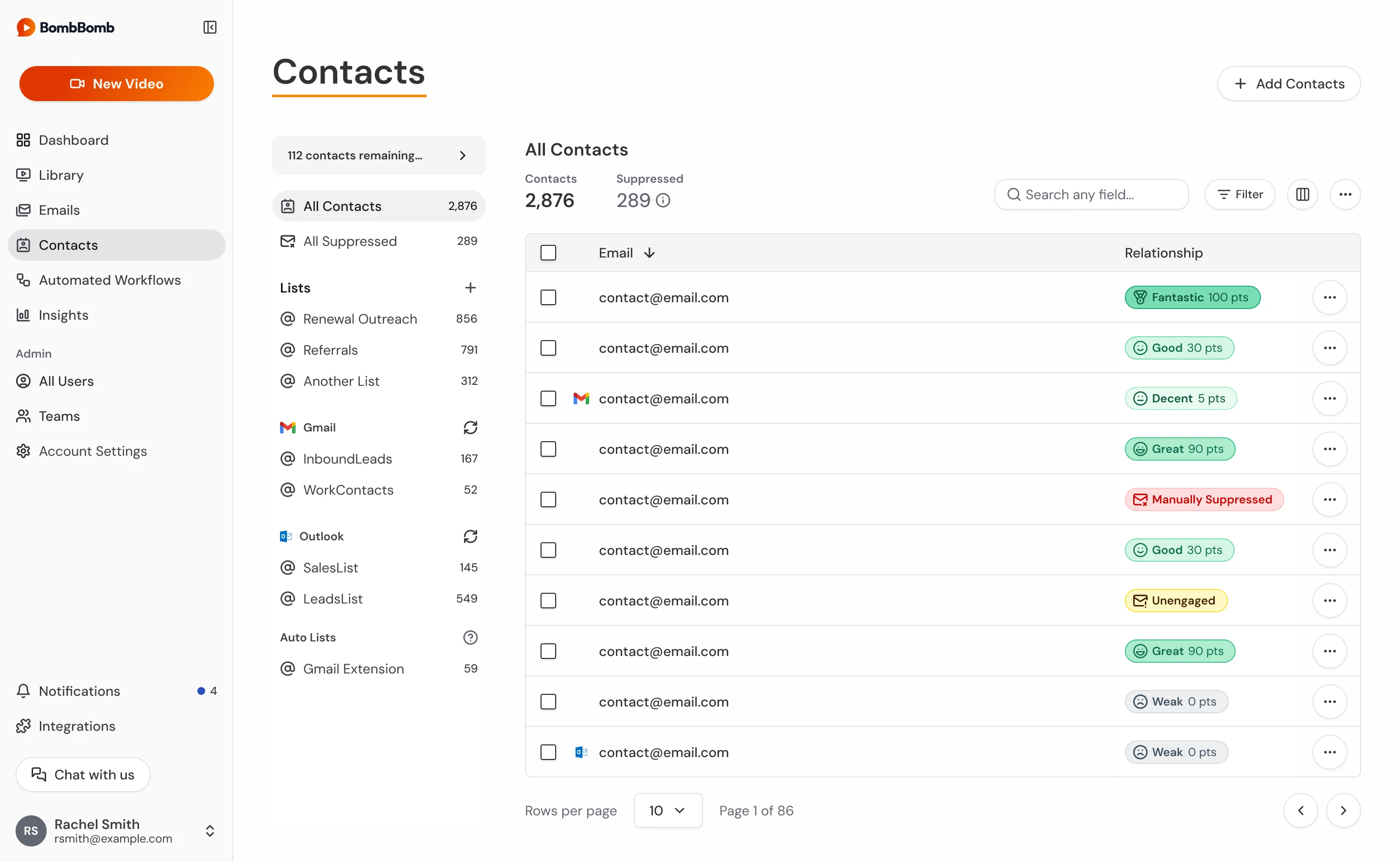
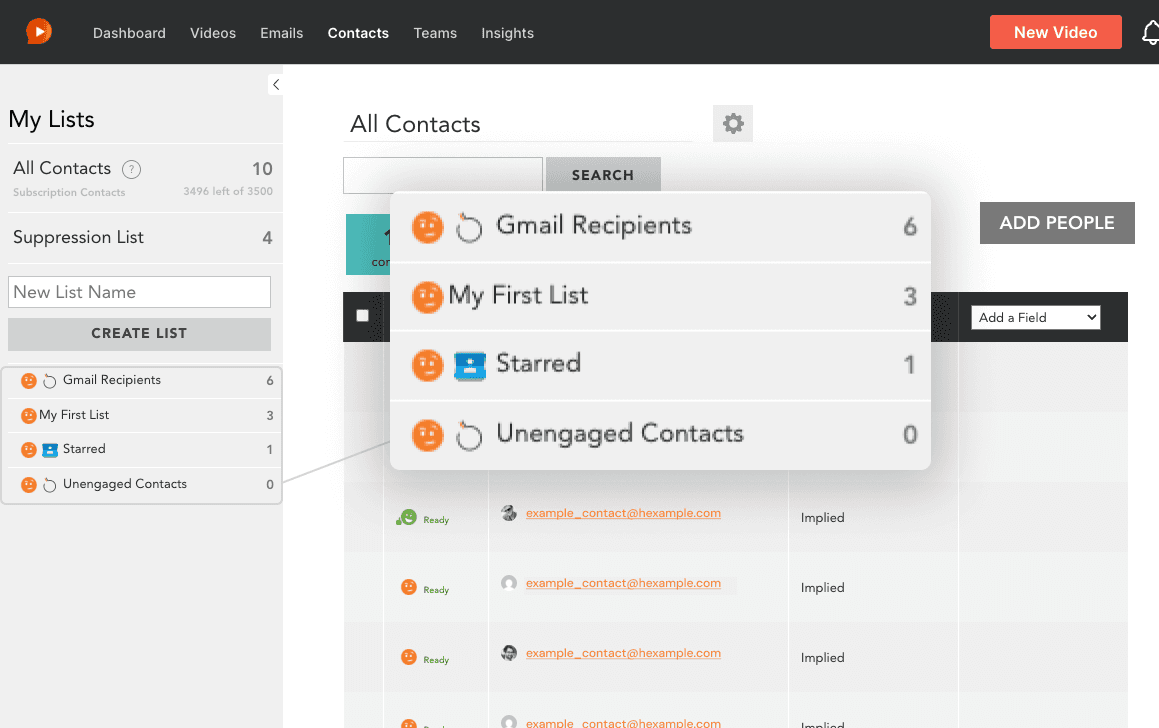
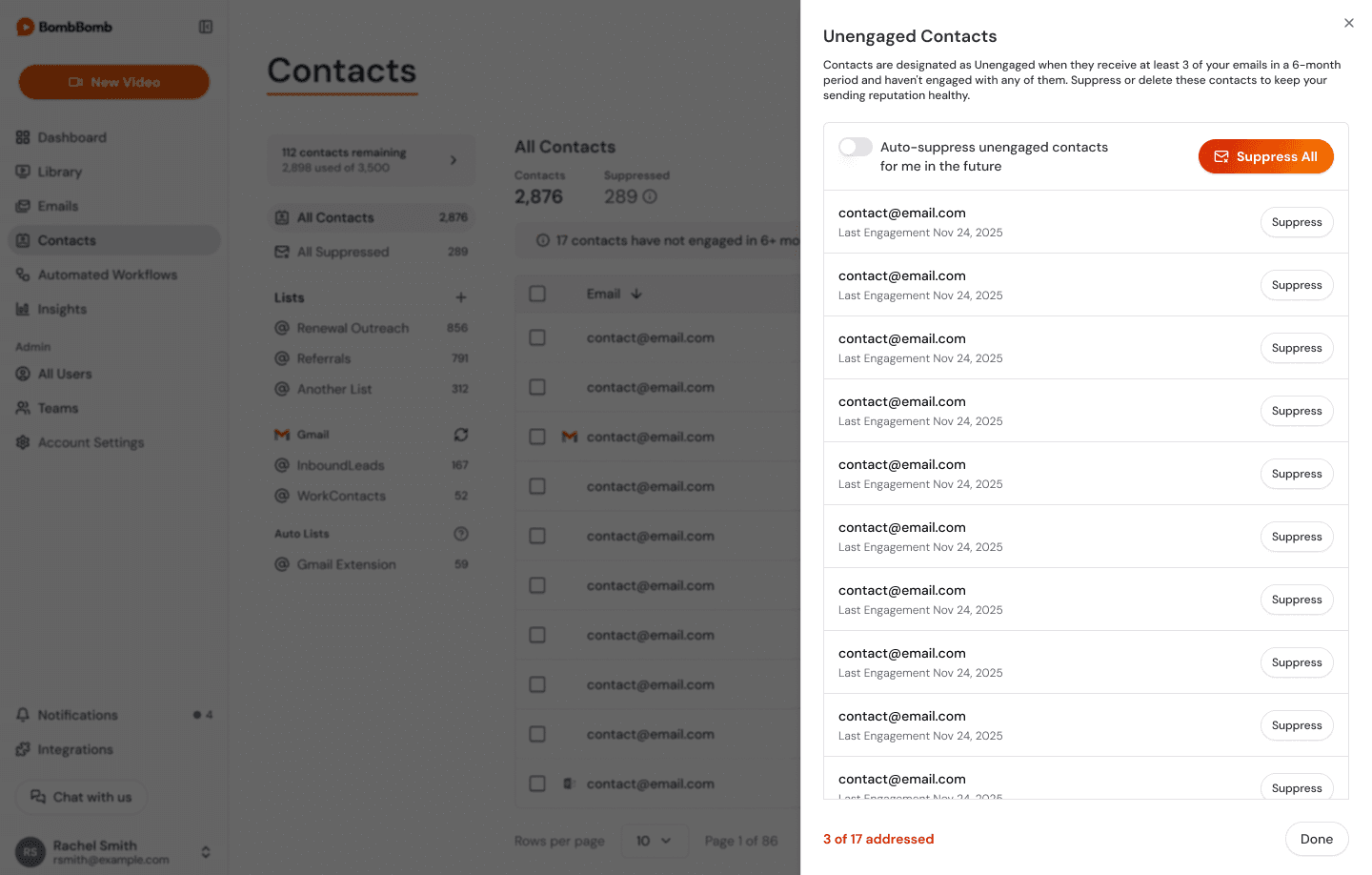
BombBomb lets users send emails right from the app. Continued emails to people who don’t interact with your content damage your sending reputation and can get your emails flagged as spam, so managing these “unengaged contacts” is crucial.
Problem. In the legacy platform, unengaged contacts were simply added to an auto-generated list. It didn’t explain why they mattered or drive customers to deal with them.
Solution. I interviewed customer success and sales reps to understand why we didn’t simply auto-suppress these contacts (there were reasons). I then designed a workflow that alerts users, guides them toward action, and offers auto-suppression to reduce future issues.

Prototyping a teleprompter
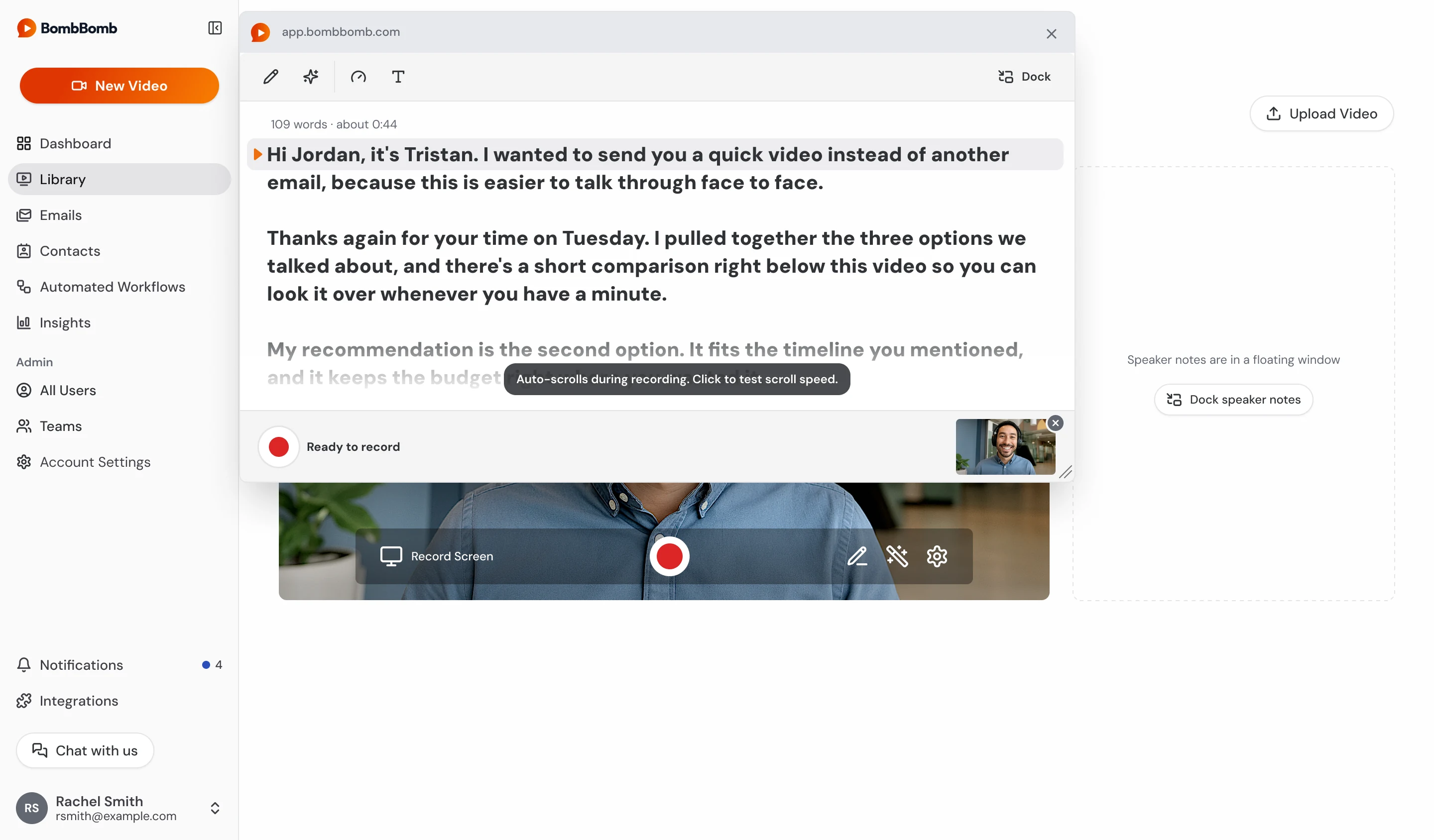
A teleprompter for the video recording experience was an open-ended feature with no established vision or requirements.
Rather than static mockups for such a dynamic tool, I prototyped several approaches and layouts. A working prototype let me get a feel for auto-scrolling notes, words per minute, text size, and popping the teleprompter out so it can sit closer to a webcam. It communicated more than I could have in Figma.
Key functions in the prototype: adjustable speaker note size, customizable autoscroll speed, AI-generated speaker notes, a pop-out teleprompter window, a self-view toggle, and teleprompter resizing.
Impact
A modernized, rapidly evolving platform and a respected, growing design practice.
12+ feature areas shaped across triage, redesign, and new product work.
- Platform launched. Helped bring the new platform to market on schedule while triaging key features.
- Internal process. Shifted mindsets from copying legacy features to understanding their core value.
- Design maturity. Collaboration with customer success and engineering has led to renewed product and design investment.